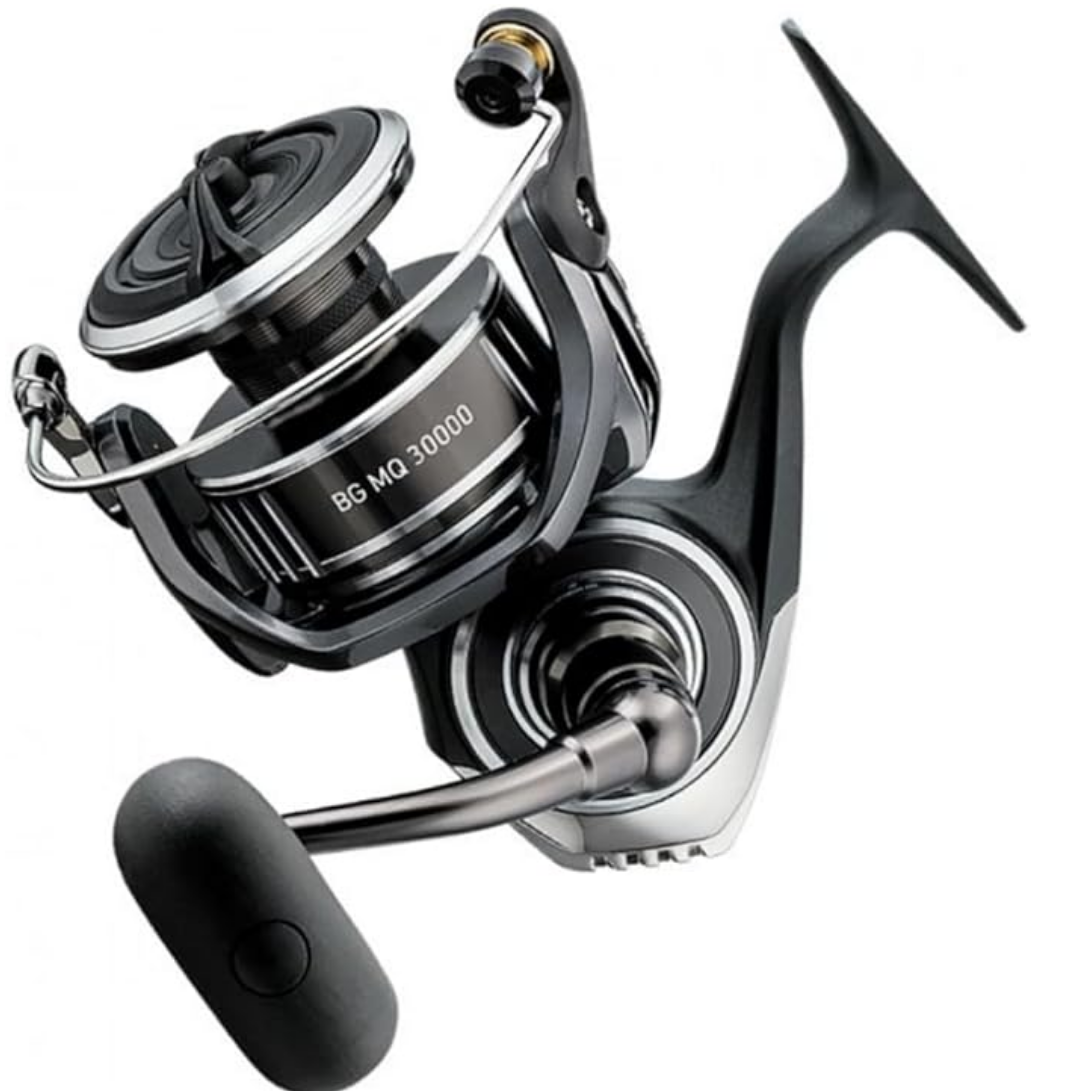
The 2026 State of AI Sonar: Finding Pelagics Faster
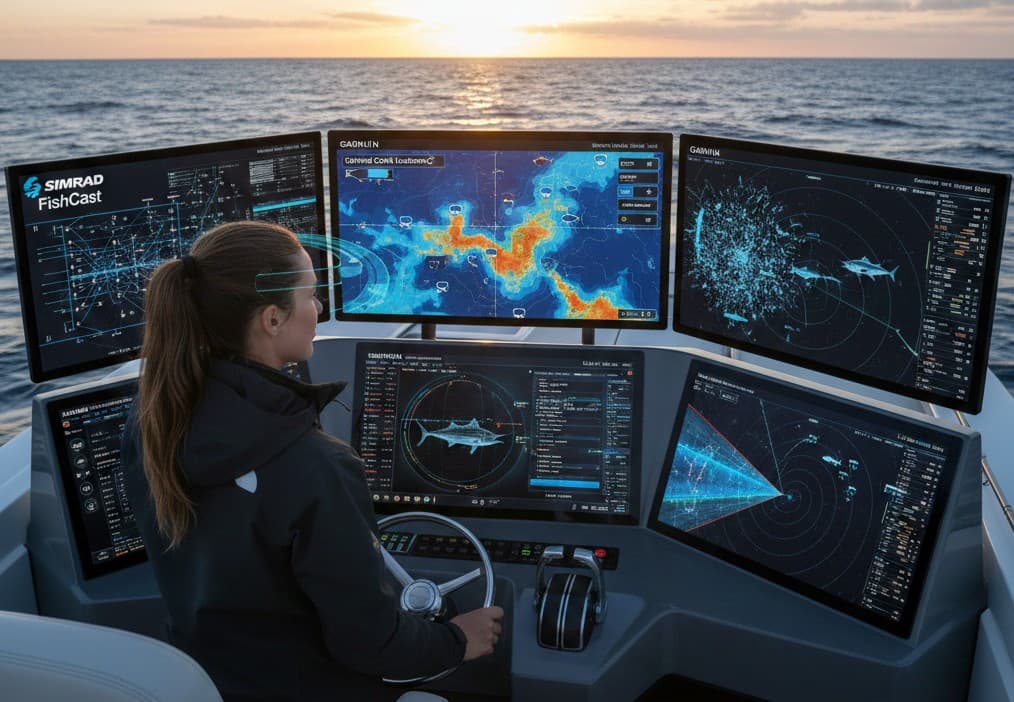
Unlocking the power of predictive modeling and real-time behavioral analysis on the open ocean.
Finding pelagic species—Tuna, Marlin, and Mahi-mahi—has traditionally been a game of “hide and seek” played across thousands of square miles of blue water. In 2026, the game has fundamentally changed. We are no longer just looking at what is under the boat; we are predicting what will be there in twenty minutes.
The rise of AI sonar fishing 2026 marks the transition from reactive fishing to predictive angling. By integrating satellite thermal data, chlorophyll density, and local baitfish movement patterns, the latest modules from industry giants like Simrad and Garmin have made “blind trolling” a thing of the past.
Simrad FishCast: The Neural Network in Your Helm
One of the most significant breakthroughs this year is Simrad’s FishCast integration. Unlike standard CHIRP, which displays raw signal returns, FishCast utilizes a decentralized neural network. It compares your current transducer pings against millions of data points from the Global Fishing Database to identify “high-probability” strike zones.
For the offshore angler, this means the MFD (Multi-Function Display) can now highlight “ghost echoes”—slight anomalies in the water column that the human eye might miss but the AI recognizes as a pre-strike bait ball formation. According to Navico Group, this predictive modeling can increase hook-up rates by up to 40% in pressured waters.
Garmin AI Modules & Real-Time Behavioral Analysis
Garmin has doubled down on its LiveScope technology by introducing AI Behavioral Modules. The system doesn’t just show you a fish; it classifies it. Using 2026-gen machine vision, the sonar can differentiate between the erratic swimming pattern of a wounded mackerel and the steady cruise of a predator.
This allows anglers to ignore “junk fish” and stay focused on the pelagics that matter. This level of detail is crucial when you are trying to find pelagics faster before the bite window closes. Reference studies at Sport Fishing Magazine suggest that AI-assisted target separation is the single biggest hardware upgrade of the decade.
Essential Gear for AI-Driven Angling
To take advantage of these software updates, you need high-bandwidth hardware capable of processing complex algorithms. Here are the top-rated units available now on Amazon that support the latest 2026 AI firmware updates.
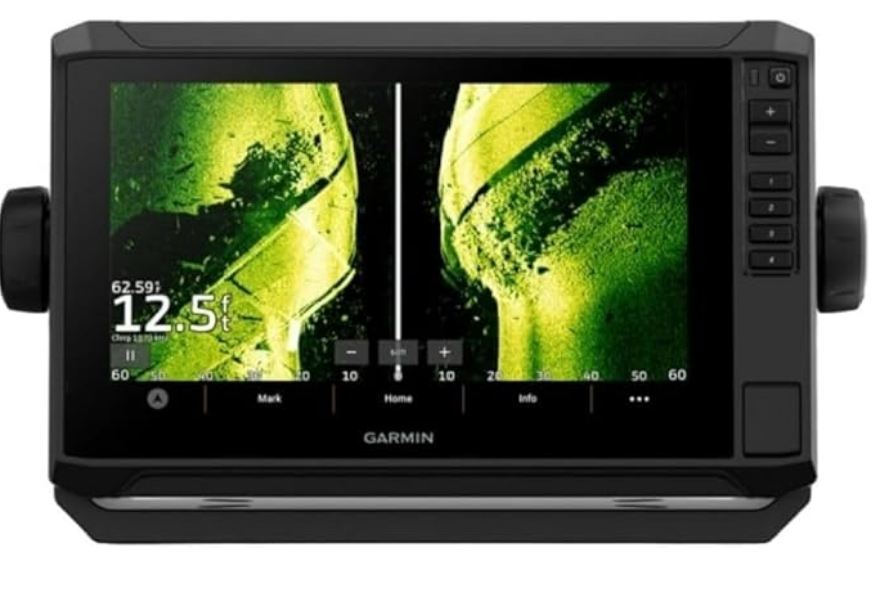
Garmin ECHOMAP UHD2 9″
The foundation of Garmin’s AI ecosystem. This unit supports the LiveScope Plus system and is fully compatible with the 2026 AI behavioral modules via the latest software update.
- Ultra High-Definition scanning
- Fast processor for real-time AI modeling
- Vivid color palettes for target separation
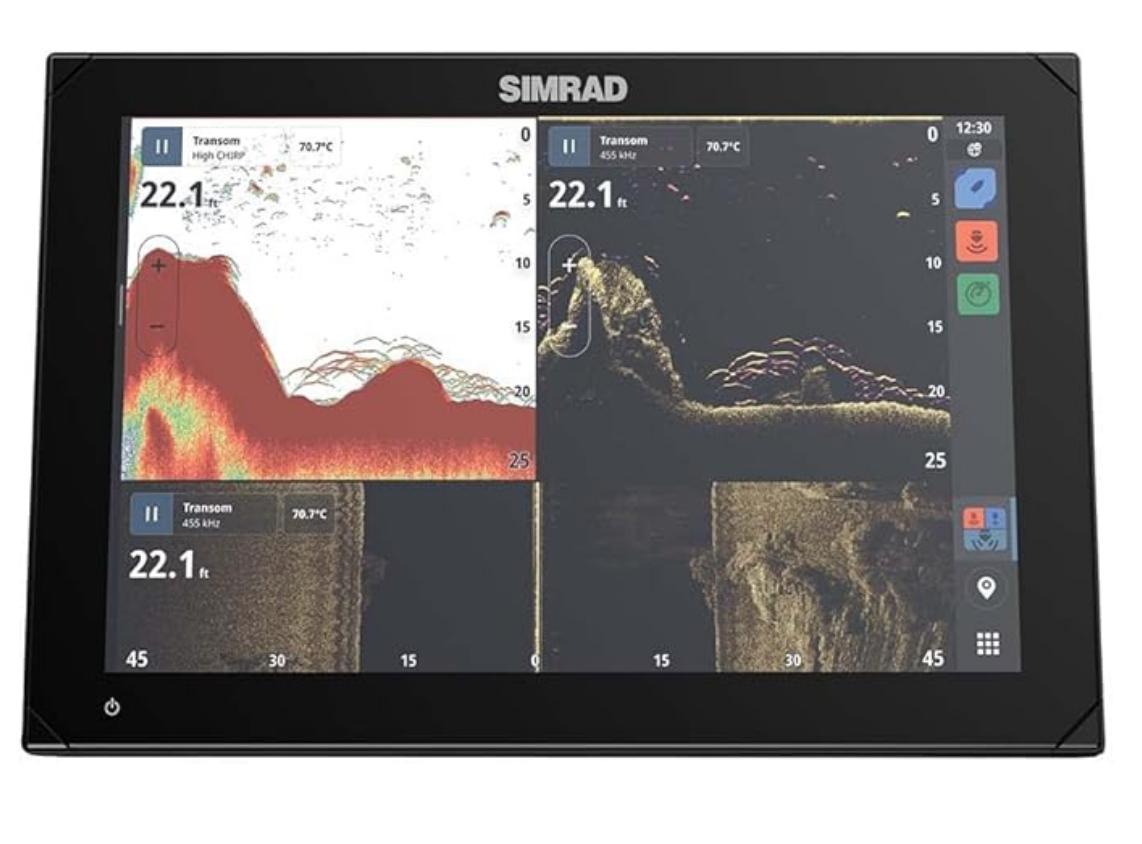
Simrad NSX 9-inch Display
Designed for the next generation of Simrad FishCast. The NSX features an Android-based OS that allows for seamless AI app integration and high-speed data processing.
- SolarMAX™ IPS touchscreen
- Integrated FishCast predictive support
- Built-in 1kW CHIRP
Setting Up the “Predictive” Workflow
- Update Firmware: Ensure your MFD is running the latest OS. Both Simrad and Garmin release “Smart Tech” patches seasonally.
- Layer Your Charts: Use satellite sea-surface temperature (SST) overlays. AI works best when it has external environmental data to “crunch.”
- Calibrate Machine Learning: Spend 30 minutes in a known bait ball area. Allow your AI module to “learn” the local water clarity and thermocline depth.
Technical References & Sources
- Simrad Yachting
- Garmin Marine
- NOAA: Pelagic Migration Patterns & Predictive Modeling Data
- Market Insights: Marine Electronics Smart-Tech Trend Report 2026
As an Amazon Associate, Extreme-Angler.com earns from qualifying purchases.